
Scroll down for this year’s full ranking of Africa’s 100 best brands.
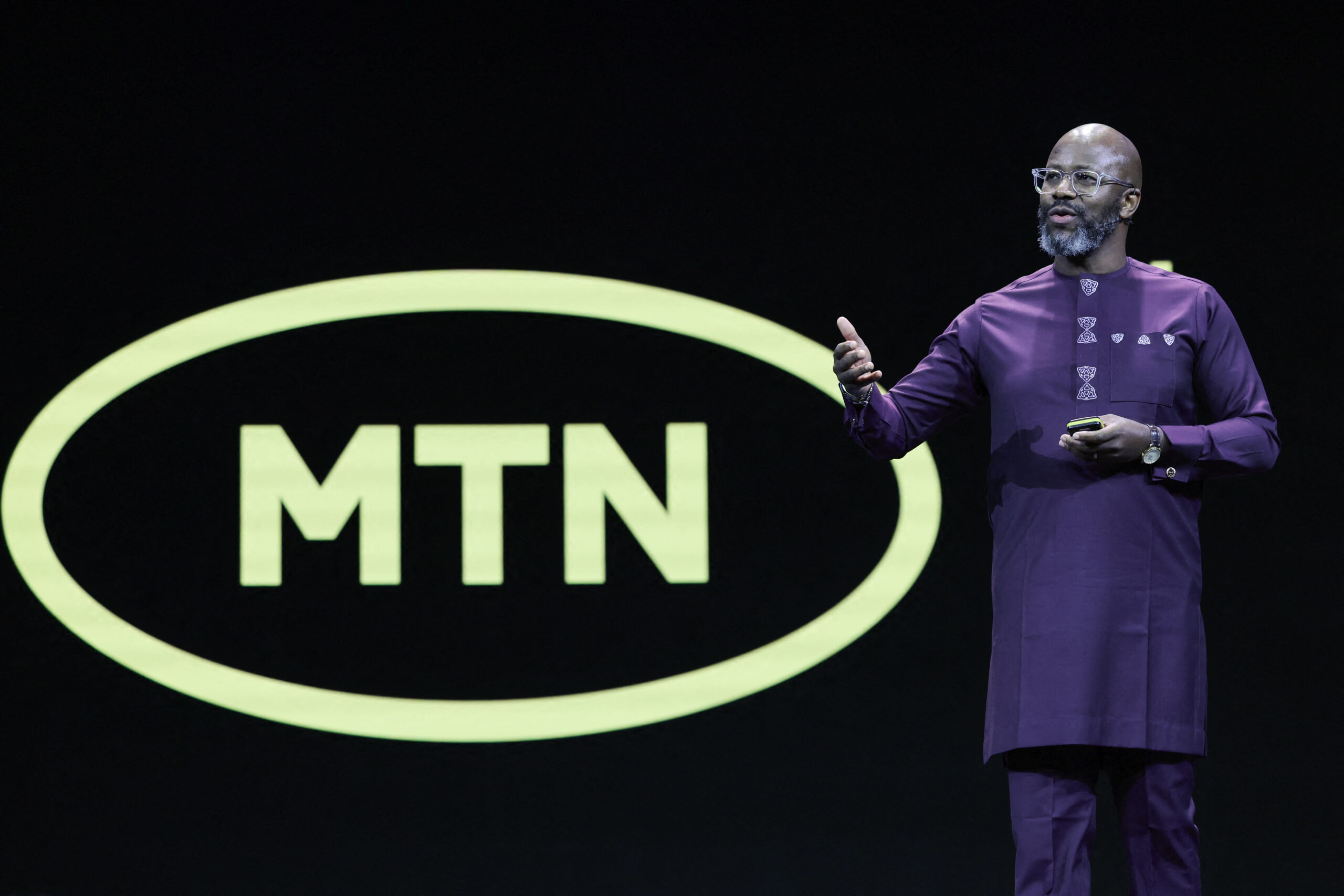
For the ninth consecutive year, the five most admired brands in Africa are all foreign: Nike. Adidas, Samsung, Apple and Coca-Cola. Not a single African brand appears in the Top 10. MTN, the continent’s highest-ranked homegrown brand for over a decade, sits at #11, a one-place slip from #10 in 2025. But African brands as a whole have recovered to 15% of the Top 100, up from a historic low of 11% in 2025 and ahead of the 14% recorded in 2024. The 2026 Brand Africa 100: Africa’s Best Brands rankings tell a story of resurgence.
This is not, primarily, a failure of African brand builders, but a reflection of the environment in which they operate.
Africa is a market of 1.4bn consumers and a continent whose youthful population offers an entrepreneurial dividend unmatched anywhere on earth. And yet its brands cannot break through at scale. The borders are too closed, the capital too scarce, the distribution too fragmented. The 2026 rankings are not merely a consumer survey: They are an economic diagnostic of Africa.
What makes 2026 different is the wider geopolitical frame in which the survey was conducted. South Africa hosted the G20 Leaders’ Summit in Johannesburg in November 2025 – the first ever held on African soil – and presided over the agenda under the theme of solidarity, equality and sustainability.
Kenya, in May 2026, co-hosted the inaugural Africa Forward Summit with France, the first Africa-France Summit ever convened outside Paris and the first co-chaired with an English-speaking African country.
Set against the same backdrop, a sharpening of US travel and tourism hostility toward several African countries has prompted both governments and consumers across the continent to look closer to home. The combined effect is a continental refocus – a year in which Africa was both the host and the subject – and the 4-point rebound in African brand share reads as its commercial reflection.
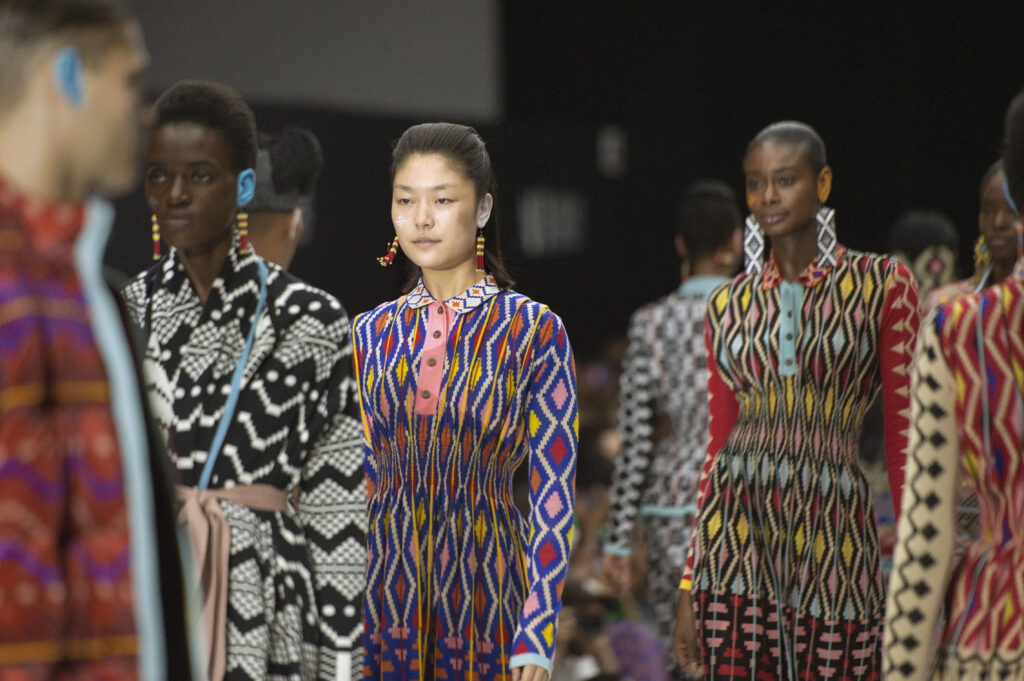
The data, if read carefully, contains signals that deserve attention. GALXBOY and Redbat, South African streetwear labels, with no pan-African media investment, join MaXhosa and Bathu in the Top 100 on organic consumer recall alone.
Shoprite/Checkers rises 24 places in spontaneous recall. MaXhosa holds #3 across three generational cohorts. Joachim Clothing, from Lesotho, enters the aided recall list for the first time.
While foreign brands rule the roost and have done for 16 years of rankings, these African success stories show what is possible.
Nike holds firm for a ninth consecutive year
Nike’s dominance in Africa is comprehensive, resilient and structural. It leads the overall Top 100, the Sports & Fitness category and the sustainability ranking for non-African brands; a grip built not on presence alone but on four decades of legend-making at the intersection of sport, lifestyle and cultural identity.
The foundation is a roster of icons whose reach transcends any single sport: Michael Jordan redefined what a brand partnership could be; Tiger Woods, Roger Federer and Eliud Kipchoge extended that across codes and continents.
Kipchoge’s partnership with Nike spans nearly 23 years. He has been not just the face of the brand on Africa’s roads but a co-architect of its performance innovation, helping shape the running gear that continues to redefine the limits of endurance.
On the football pitch, Nike’s Africa strategy is built on cultural depth over volume. Ahead of AFCON 2025, it appointed Nigerian legend Jay-Jay Okocha as its “chief flair officer” and launched the “Show Dem” campaign, positioning African football as the antidote to the prescriptive, overly structured modern game, accompanied by the reissue of the iconic Nigeria 1996 jersey.
“Show Dem” – Nigerian slang for “show them how it’s done” – could equally describe Nike’s approach to the continent itself: a brand that does not merely sell performance gear but sells the belief that greatness is chosen, not assigned. Among young African consumers, that combination of athletic legend, cultural fluency and aspirational storytelling remains unmatched.

African brands rebound to 15% as the continent refocuses on itself
MTN (#11), Dangote (#30) and Ethiopian Airlines (#53) remain the continent’s benchmarks of excellence – the three African brands that have sustained presence and recognition across the Top 100 over more than a decade. South Africa (8 brands in the Top 100) and Nigeria (3 in the Top 100) lead the continent. New entrants GALXBOY (#71), MaXhosa (#76) and Redbat (#86) mark the emergence of South African fashion streetwear on the pan-African brand map.
Luxury surges
Luxury goods claimed 13 spots in the Top 100, up from 12 in 2025, driven by rising aspirational consumption across Sub-Saharan Africa and the Maghreb, and particularly strong recall among Gen Z respondents. French luxury houses (Louis Vuitton, Chanel, Christian Dior, Lacoste) are the primary drivers.
China’s brand footprint deepens
With nine brands in the Top 100 – Tecno (#13), Huawei (#29), Xiaomi (#35), Hisense (#41), Infinix (#42), Shein (#45), Itel (#58), Oppo (#66) and Alibaba (#83) – Chinese brands now rival single-country European totals. Their dominance of the electronics and e-commerce categories is entrenched, driven by price competitiveness and Africa-first product strategies.
African loyalty paradox persists
A central finding of the Brand Africa 100 over the 16 years in which we have compiled it is consistent: while Africans believe fellow African countries are the primary contributors to making Africa better, their brand loyalty remains steadfastly with non-African brands. The top 10 most admired brands are entirely non-African. Bridging the gap between continental pride and consumer preference remains the defining challenge for African brand builders.
Africa’s best brands at a glance
African brands have rebounded to 15% of the Brand Africa 100: Africa’s Best Brands Top 100, up from a historic low of 11% in 2025. Europe maintained its leading position with 38% of the Top 100 spots, with Adidas holding firm at #2. North America’s share stood at 28%, led by Nike, the #1 brand for the ninth consecutive year. Asia captured 19% of the Top 100, underpinned by China’s continued dominance of the electronics and mobile device market.
The electronics/computers sector is the single largest category in the Top 100, accounting for 16% of the rankings, driven by Chinese and South Korean challengers addressing Africa’s surging device demand.
Luxury goods rose to 13 brands, which rise from 12 in 2025, reflecting growing aspirational consumption across the continent, particularly among Gen Z respondents. Auto manufacturers held 11 spots.
Regional share of the Top 100
Across the full Top 100, brands of European origin lead with a 38% share, followed by North America at 28% and Asia at 19%. African brands account for 15% of the most admired brands on the continent, a meaningful base from which to build given the dominance of established global brand economies. At the very top, however, the concentration is starker: the Top 10 is split 50% Europe, 30% North America and 20% Asia, with no African brand yet breaking into that tier.
The United States (28 brands), France (9), China (9), South Africa (8) and Germany (7) are the five largest country contributors to the Top 100. South Africa leads the continent with 8 brands, followed by Nigeria (3 brands in the Top 100) and Ethiopia (Ethiopian Airlines, #53).
Brands by category
Electronics and computers remain the most represented category at 16% of the Top 100, followed by luxury (13%) and auto-manufacturers (11%). The continued strength of apparel (8%) and technology (8%) reflects the influence of younger consumers, while telecommunications, retail and media remain the categories where African brands compete most effectively.
Compared with 2025, the category mix shows a clear tilt towards lifestyle and aspiration. Apparel doubled its share, from 4% to 8%, the single largest gain, while auto-manufacturers rose from 9% to 11% and luxury edged up from 12% to 13%. Telecommunications also strengthened, from 5% to 6%.
The offsetting declines came in more functional categories. Electronics and computers, though still the largest, slipped from 18% to 16%; consumer non-cyclical fell from 11% to 9%; and both personal care and apparel retail lost ground (8% to 6% and 5% to 3% respectively). The pattern suggests admiration is shifting from everyday utility towards brands that signal identity, style and status.
Countries contributing to a better Africa
A defining feature of the 2026 results is the strength of African agency in shaping the continent’s future. Out of the Top 10 countries, 8 are African nations. South Africa ranks first, ahead of the United States and China, with Morocco, Nigeria, Egypt, Rwanda, Ghana, Algeria and Kenya.
Across the full ranking of the Top 25 countries mentioned, Africa accounts for 80% of those seen as contributing to a better continent. Europe follows at 12%, with Asia and North America at 4% each. The picture is one of growing pride, and a continent increasingly defining its own progress, rather than relying on external actors to do so.
But the pride and admiration scores sit in sharp contrast with each other. While Africans credit African countries with 80% of the effort to build a better continent, African brands command only 15% of the most admired brands in the Top 100. There is clearly a disconnect between who Africans believe is building Africa and whose brands they actually choose. Continental pride and economic agency are clearly felt, but they have not yet translated into preference for home-grown brands at scale. Converting goodwill towards African contribution into admiration for African brands, is arguably the central commercial opportunity for the continent.
Spontaneous recall
MTN retains its position as the #1 African brand recalled spontaneously. Shoprite/Checkers made the most significant leap in spontaneous recall, rising 24 positions, reflecting the retailer’s growing pan-African footprint. Joachim Clothing, a challenger youth brand from Lesotho, which has expanded in South Africa, is a notable first-time entrant in the aided recall list, marking the small kingdom’s debut in the rankings.
Financial services
Traditional banks continue to dominate the financial services category, with 22 of the Top 25 originating from Africa. South Africa (6 of 25), Nigeria (5 of 25) and Kenya (3 of 25) remain the three leading banking markets. The scores for financial service reflect an average for spontaneous and aided recall, with Standard Bank retaining the pole position for the second consecutive year, followed by FNB/FirstRand (South Africa), Ecobank (Togo), Bank of Africa/BMCE (Morocco) and Equity Bank (Kenya). Morocco-headquartered Bank of Africa (BOA) is the biggest climber, rising 8 positions to #4.
This category is overwhelmingly African. The first non-African brand is Opay (China) down at #13, with Visa (#16) and PayPal (#18) further back. Despite fintech growth, traditional banks retain the trust premium and remain the primary interface for African consumers. Financial services is a genuinely African-led category, with South African and pan-African banks dominating.
Media
The BBC retains the #1 position in Africa’s media category for the second consecutive year, its editorial commitment to African-language journalism, anchored by flagship programmes in Swahili, the continent’s most widely spoken language, giving it a reach and credibility that no other international broadcaster has matched.
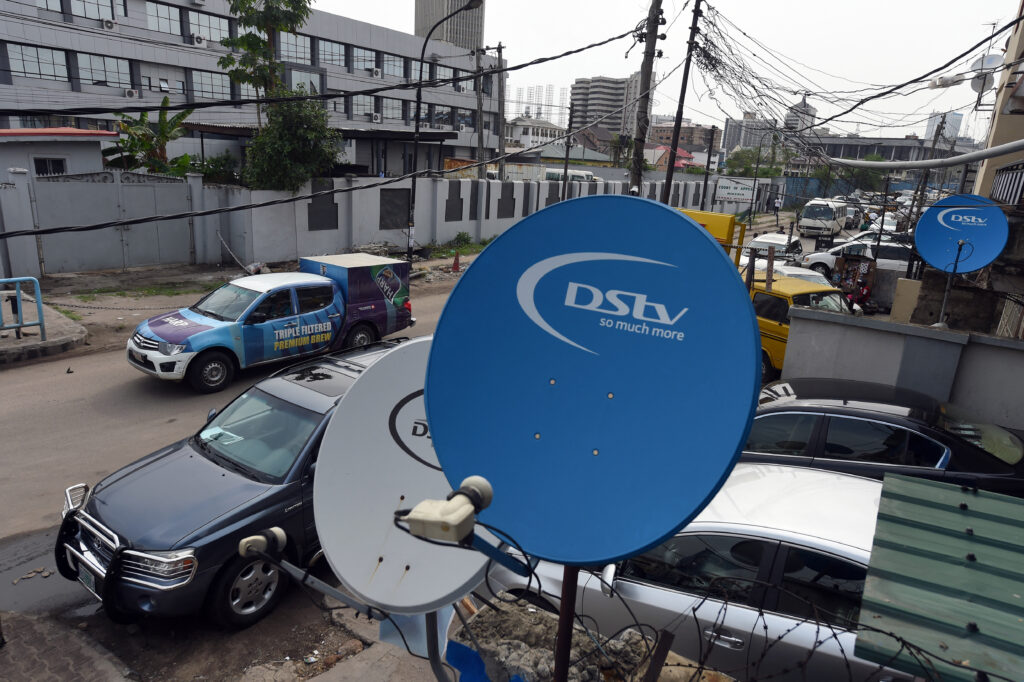
DStv slips to #3, a fall that reflects both competitive pressure from global streamers and a structural shift in how Africans consume entertainment. MBC Group rises to #4, the category’s biggest mover, as Arabic-language content finds growing audiences in North and East Africa.
The presence of 2M (Morocco) and EBS TV (Ethiopia) in the Top 10 is a signal worth noting: local public broadcasters, when they invest in vernacular content and editorial relevance, can build genuine pan-African brand equity. While the African media narrative is beginning to be written by Africans, but the infrastructure of influence remains largely foreign.
DStv’s fall to #54 in the overall Top 100, down 18 places from 2025, is inseparable from the broader story of MultiChoice’s structural decline. In the two years to March 2025, MultiChoice lost 2.8m subscribers, its base falling from a peak of 17.3m in 2023 to 14.5m. The losses are broad-based: South Africa shed over 600,000 active subscribers in the year to March 2025 alone, while Nigeria, which accounted for 77% of the Rest of Africa subscriber loss over two years, saw its base collapse under the weight of repeated price hikes, currency devaluation and the macroeconomic conditions described by MultiChoice’s own management as “the most challenging operating environment in the group’s history”.
In Kenya, active DStv subscribers dropped 84% in a single year. Canal+’s own Africa CEO acknowledged in late 2025 that the subscriber position was “bad” and the company was “still bleeding”.
The backdrop to all of this is the completed takeover of MultiChoice by France’s Canal+ in a $3bn deal finalised in October 2025, after which MultiChoice was delisted from the Johannesburg Stock Exchange.
It is the largest transaction in Africa’s media history, and it marks the end of South African ownership of the continent’s dominant pay-TV platform. Canal+ now controls DStv, GOtv, SuperSport, Showmax and M-Net, a combined footprint of more than 40m subscribers across 70 countries.
The strategic logic is clear: Canal+ gains anglophone Africa scale; MultiChoice gains the capital and streaming capability to compete with Netflix and Amazon Prime Video. Whether African consumers benefit – or whether subscription costs rise as the new owner seeks returns on a $3bn bet – will be among the defining media questions of the next three years.
What is already clear is that DStv’s remaining brand equity, still sufficient to place it as the only African media brand in the overall Top 100, is now a French-owned asset. The irony is pointed: just as African audiences are beginning to be served by African-built media brands, the continent’s largest media operator has passed into European hands.
Doing good – sustainability & society
Sustainability has moved from being a footnote in corporate considerations to be a brand imperative.
Across Africa, a new generation of consumers, activated by climate anxiety, rising inequality and the social media amplification of corporate behaviour, are holding brands to account with a rigour that previous generations could not. The triple bottom line of people, planet and profit is no longer just the language of investor roadshows; it is increasingly the lens through which African consumers, particularly Millennials and Gen Z, decide which brands deserve their loyalty. Brands that embed sustainability through environmental, social and governance (ESG) policies attract both consumer trust and ESG-focused capital. Those that do not face a growing cost: reputational risk, regulatory pressure and the erosion of brand equity among the consumers who will define the next decade of African commerce.
MTN retains the #1 position among African brands in the sustainability category, a ranking that reflects substance rather than optics. The group’s ESG framework, structured around planet, people, ethics and governance, is embedded across all its African markets and reported transparently through an integrated suite including a dedicated sustainability report.
Its “Project Zero” initiative targets net-zero emissions by 2040, with more than 10,000 sites already converted to solar and hybrid energy systems. Beyond the environmental pillar, MTN’s shared-value model, which frames digital and financial inclusion as both a commercial strategy and a social obligation, gives its ESG credentials an African authenticity that resonates with consumers who understand connectivity as a development imperative, not merely a lifestyle convenience.
Dangote at #2 represents a different model of sustainability equity: one rooted not in environmental reporting frameworks but in the social contract between industrial capital and African communities. Dangote Cement’s seven sustainability pillars span clean energy investment, agricultural value chain support and community development agreements with host communities across its pan-African operations, providing cash grants, agricultural inputs, youth skills programmes and scholarships.
Where MTN’s sustainability story is systemic, Dangote’s is visceral and local: it speaks directly to whether Africa’s industrial giants build wealth with their host communities or simply extract it. African consumers, who live closest to that question, have placed Dangote at #2 for the second consecutive year.
The entry of two Algerian consumer brands, Hamoud Boualem and Ifri, into the sustainability Top 10 is among the more instructive signals in the 2026 rankings. Hamoud Boualem, founded in 1878, is among the oldest soft drink brands in Africa; Ifri is Algeria’s leading mineral water brand.
Their appearance confirms that sustainability consciousness is spreading into the consumer culture of North Africa, driven by the same combination of climate awareness, youth activism and social media accountability reshaping brand expectations across the continent.
For brands operating in the Maghreb, the signal is clear: the consumer sustainability lens has arrived, and first movers will shape the category.
Brands by generation
Nike dominates across Gen Z, Millennials and Gen X as the #1 global brand in each cohort. Samsung leads among Baby Boomers (aged 61+), a finding consistent with prior years that reflects the brand’s strong heritage equity and trusted reliability among older consumers.
For African brands, MTN is #1 across Gen Z, Millennials and Gen X. Shoprite/Checkers is notably the #1 African brand among Baby Boomers, suggesting a stronger retail affinity in older demographics.
MaXhosa holds #3 across Gen Z, Millennials and Gen X, an extraordinary achievement for a South African fashion brand in pan-African brand preference.
African brands contributing to a better Africa
Dangote rises to #1 in this category, displacing MTN which held the position in 2025.
Standard Bank’s rise to #8 (from #25) is the most significant movement in the list, reflecting the bank’s deepening pan-African investment footprint. Ethiopian Airlines (#9 in this category) remains Africa’s leading aviation brand and a powerful symbol of continental connectivity.
Most admired industrial brand
The most admired industrial brand category recognises the conglomerates whose reach spans multiple sectors rather than a single product line, and the 2026 podium is a clear statement of pan-African industrial strength.
Dangote takes first place; the Nigerian group has interests from cement and sugar to fertiliser and refining. It is consistently among the continent’s most admired brands overall. Trade Kings of Zambia ranks second, its fast-moving consumer goods empire spanning detergents, food and household products. Azam, part of Tanzania’s Bakhresa Group, completes the top three, built across food, beverages, media and transport.
Together these three winners represent three different African regions: West, Southern and East Africa. They demonstrate that the continent’s home-grown industrial champions are not confined to one market or one sector.
It is a category in which African brands lead outright, reinforcing the wider theme that industry and manufacturing are areas of genuine African brand ownership.
Thebe Ikalafeng, Brand Africa founder and chairman, and Frankline Kibuacha, marketing director at GeoPoll.