
The African Development Bank (AfDB) has warned of the economic fallout of the ongoing war in the Middle East in its latest African Economic Outlook report for 2026.
Released at the AfDB’s annual meetings in Brazzaville, the AfDB forecasts that real GDP per capita growth will slip to 1.9% this year – down from 2.1% in 2025 – before rebounding to 2.2% in 2027. These figures remain below the 3.5% which the Bank says is needed to “enhance inclusive growth”.
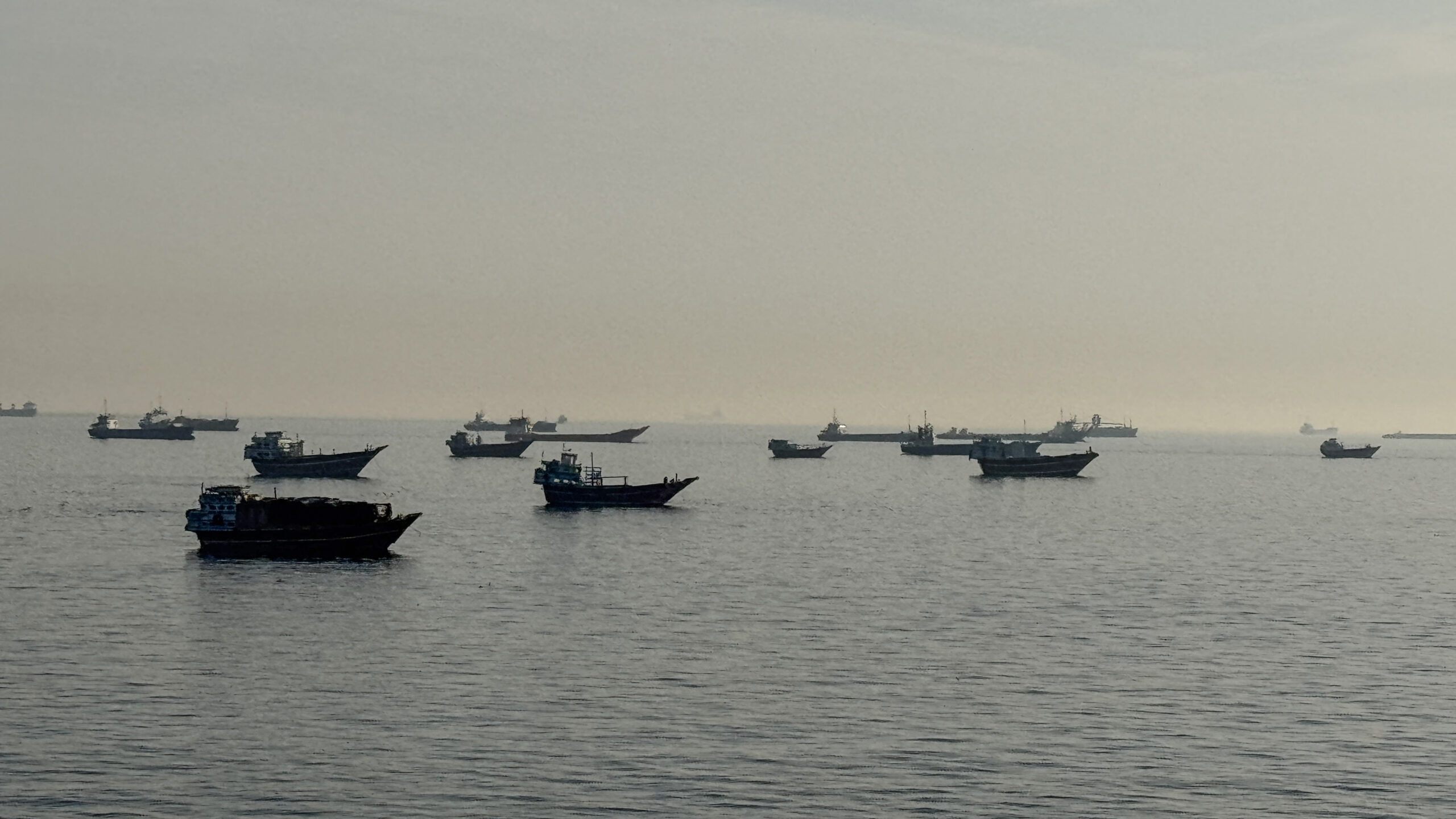
The consequences of the war in the Middle East and the ongoing closure of the Strait of Hormuz (pictured), a key conduit for global oil supplies, vary depending on the region: the AfDB believes that Central Africa will in fact grow more rapidly this year – at 3.8% compared to 3.6% in 2025 – thanks to higher commodity prices, especially oil.
Growth in East Africa, by contrast, is expected to decline from 6.6% in 2025 to 5.9% in 2026, which reflects “the impact of supply chain disruptions, primarily due to geopolitical tensions in the Middle East, which have contributed to rising energy and import costs, and intensified food security vulnerabilities”.
Growth in Southern and North Africa – the latter the nearest region geographically to the war – is also expected to take a hit for similar reasons, with West Africa’s prospects remaining largely unchanged.
Inflation up
The AfDB warns that the spike in global oil and gas prices sparked by the war is “stoking inflationary pressures across Africa”.
It projects an average inflation rate of 10.4% in 2026 – a 0.9 percentage point increase from the pre-war estimate in January – and notes that currencies of 27 African countries have depreciated against the dollar, something which could add to inflationary pressures by making dollar-denominated imports more expensive in local terms.
The rise in oil prices means the “fiscal deficits in net oil-importing countries could widen,” which the Bank says “could limit their capacity to provide support to low-income households affected by higher energy costs”. These trends are also likely to contribute to a widening of current account deficits across the continent, which the AfDB expects to widen to 1.7% of GDP in 2026 and 1.9% in 2027.
AfDB recommendations
To combat these trends, the AfDB recommends that central banks take a hawkish approach to monetary policy.
“African central banks need to implement prudent monetary and exchange rate policies tailored to anchor long-term inflation expectations,” the Bank says.
“Monetary policy stances must be strategically coordinated with fiscal policy measures within each country’s context to ensure that governments can cushion the adverse effects of food and energy price hikes on the most vulnerable households and small-scale businesses.”
Where fiscal space permits, temporary and targeted social protection measures should be deployed to protect the most vulnerable populations from ongoing global shocks, the AfDB argues.
“Such measures should be temporary and carefully calibrated within each country’s context and strategically deployed to avoid broad-based price suppression and fiscal profligacy through expensive subsidies that could otherwise deepen long-term fiscal risks.”
The report warns that African economies have long been particularly exposed to the economic consequences of global events such as wars and pandemics.
“Every significant global shock has been accompanied by an extended period of low growth in real GDP per capita,” the Bank says.
For example, “between 1991 and 1994, real GDP per capita growth was negative for four straight years,” a trend linked to the Gulf War.