
As the world struggles to make sense of the conflict unfolding in the Middle East, Edward Fishman’s timely book – out now in paperback – looks at how sanctions and economic warfare, rather than arms alone, became one of the US’s most potent geopolitical weapons. He argues that control over modern-day chokepoints – such as the US dollar, advanced microchip technology and critical energy supply chains – has become the primary weapon of twenty-first century geopolitics.
Fishman was from 2013 to 2014 a member of the Iran sanctions team at the US State Department. After Russia’s 2014 annexation of Crimea he served as the first Russia and Europe lead in the State Department’s Office of Economic Sanctions Policy and Implementation. So he is as well placed as anyone to discuss how US officials raced to create new economic weapons to face down challenges including Russian aggression, Chinese technological dominance and, most pertinently of all, Iran’s nuclear ambitions.
Following the 1979 Iranian Revolution, relations between Iran and the US broke down – particularly as Iran sought to develop nuclear weapons. Fishman outlines ways in which the US exerted economic pressure to persuade Tehran to come to the negotiating table.
Principal among those was the Office of Foreign Assets Control (OFAC). Its sanctions led to the world’s biggest banks shunning Iran trade. The introduction of secondary sanctions, aimed at Iran’s foreign business partners, tightened the noose further around Iran’s economy.
The Islamic Republic, in desperate need for cash, agreed to multilateral talks. Those resulted in the 2015 Joint Comprehensive Plan of Action (JCPOA), otherwise known as the Iran nuclear deal, negotiated by the Iranians with the Obama administration, permanent UN Security Council members China, France, Russia and the UK, and non-member Germany.
Under the deal America’s nuclear-related sanctions would be lifted as would virtually all sanctions imposed by the UN, the EU and other countries. In return, Iran agreed to roll back its nuclear programme.
That was a demonstration of how US economic power was capable of forcing an adversary to the negotiating table. Fishman writes: “In a world economy interconnected by half a century of globalisation and neoliberal reforms, the actions of US officials can send shockwaves across the globe at breathtaking speed. This is economic warfare. It is how America fights its most important geopolitical battles today.”
By other means
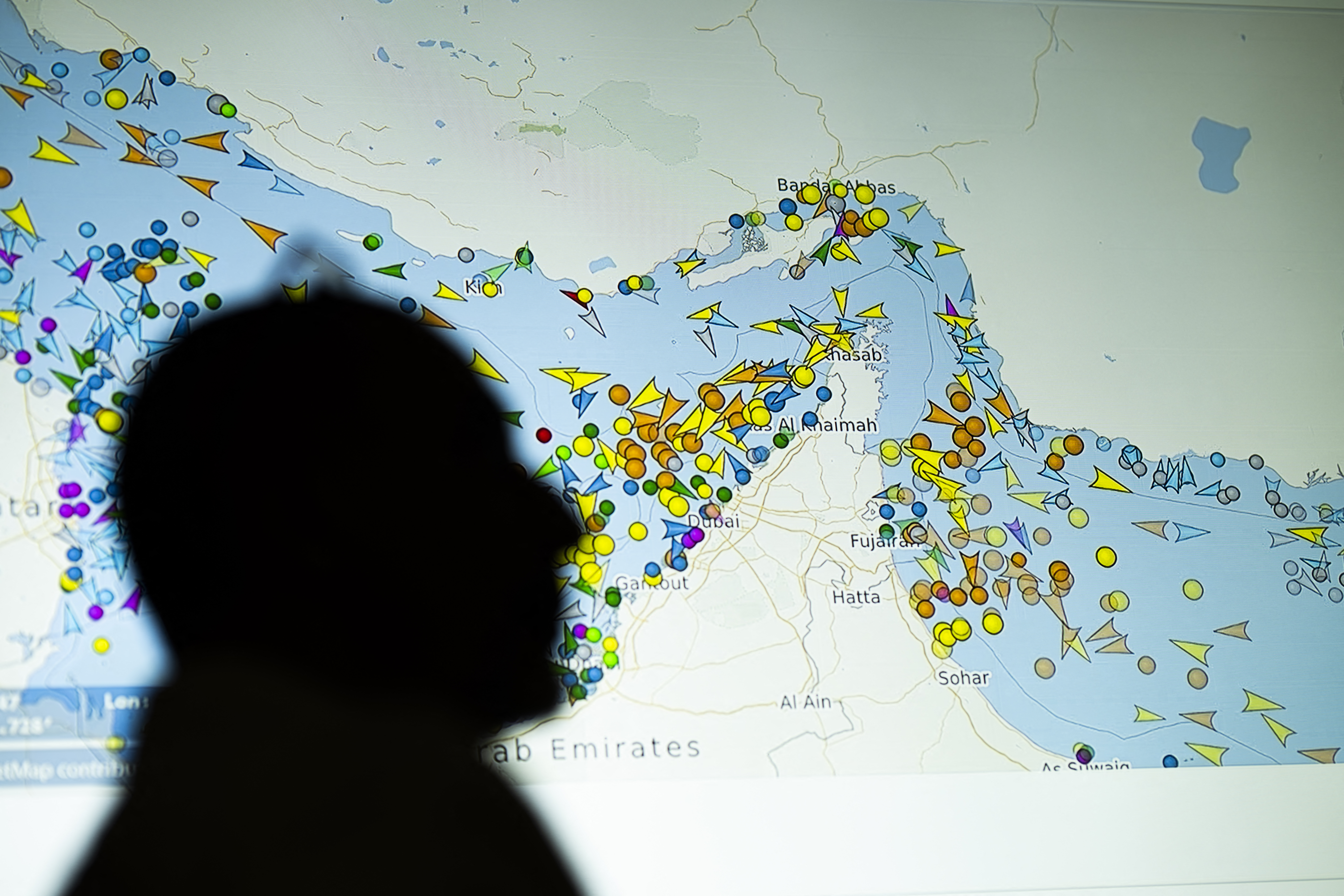
Events since the publication of Chokepoints have, however, shown that economic warfare is not necessarily the preferred choice of US policymakers. Trump’s impulsive decision, alongside Israel, to attack Iran – and his earlier armed intervention in Venezuela – reveal a president who places as much faith in the force of arms as in economic sanctions. Trump’s first administration withdrew from the JCPOA in 2018, and Iran relations have spiralled since, resulting in a bombing campaign against nuclear sites in 2025 and full-scale war this year. At the same time, the war reveals that US enemies have potent economic weapons of their own – and are prepared to use them. Iran’s use of the “chokepoint” of the Hormuz Strait has wrought havoc and forced Trump back to the negotiating table.
Writing before the latest conflict, Fishman pertinently alluded in Chokepoints to the possibility of US adversaries using economic warfare of their own and joining a geoeconomic camp that seeks to insulate itself from US economic threats.
“In the years ahead, economic warfare will grow more pervasive and powerful. Economic warfare, now a baseline feature of our world, will permeate other areas of foreign policy, global economics, domestic politics and business. The result will be a scramble for economic security that redraws the geopolitical map and ends globalisation as we know it.”
Chokepoints: How Economic Warfare is Changing the World
By Edward Fishman
£10.99 Elliot & Thompson
ISBN 9781783968930